- The Third Pedal
- Posts
- New Post
New Post

Steven Castle
January 05, 2024
Last week I talked about how Cummins got themselves into trouble with what is now being called “diesel gate 2.0”. Cummins was supposedly cheating on their emissions test for the engines installed in 960,000 trucks between the years of 2013-2023. They admitted to no wrong doing and were levied with a fine of $1.67 Billion. And based on the article in this week’s letter I want to talk about why I do not believe this type of behavior is going to stop from any of the manufacturers.
Purdue University in West Lafayette, IN is testing diesel engines and looking for ways to improve the efficiency and reduce the about of smog produced. Specifically when trying to improve the exhaust on diesels the goal is the reduce the carbon dioxide and nitrogen dioxide output. The article can be found here:
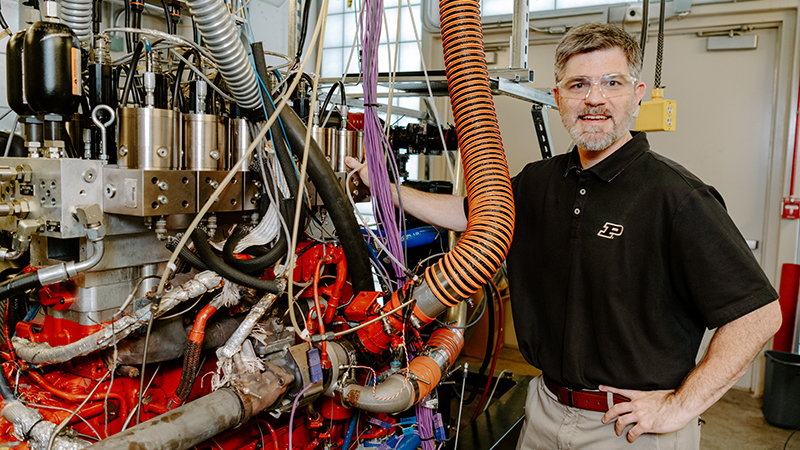
As early as July of last year they had hit a breakthrough in how much emissions reduction could be achieved. Because of this, the EPA has already determined a new standard that all manufacturers will have to meet by 2027. And it is because of this change in the benchmark that I believe we will see more cheating and ways of getting around the emissions testing than we already have.
When in a lab playing with engines and solely looking to reduce the output it is hard to be certain as to what the priorities were when trying to achieve these reduction goals. A new benchmark for diesel efficiency sounds great (in theory) but how much horsepower and torque did the engine make when they achieved their goals. For example if they tuned that engine to have the absolute worst performance of any diesel ever it is more than possible to reduce the output but this same article isn’t clear on these type of details. Did they take and engine with 300hp and 1000+ torque and wind it down to a 130hp output? They do not say.
This is why cheating becomes prevalent. A question that needs to be asked while achieving these ‘new standards’; Can these be achieved while meeting the performance targets of current model engines? And can these engines achieve these emissions targets while offering the desired amount of performance for an extended period of time. Basically between meeting the emissions targets, performance, and reliability it seems difficult to achieve even two of these let alone all of them.
It is for these reasons there seems to be a trend of Ram truck dealers (specifically here in Alberta) offering discounts to customers who are willing to leave the lot with trucks that will not have emissions equipment on them knowing they do not get warranty. Supposedly the reason for this is the dealerships were having too many issues with warranty work related to the emissions systems. And bear in mind this is was long before the recalls on the Cummins engines.
It is my opinion that Cummins, Paccar, Volvo, Detroit Diesel, and any other manufacturer of road diesel engines are going to do anything they can to either supersede these rules where possible or flat out cheat on emissions tests any way they can. They have a strong customer base through their partnered truck manufacturers and have expectations to meet based on customer performance demands. When push comes to shove I fully believe these manufacturers are going to prioritize the demands of their customers over the ‘theoretical standards’ of the EPA.
Talk to you next week,
Steven Castle